When winter rolls into the Willamette Valley, your comfort (and energy bill) depends on one smart choice: the right heating system. But with so many options—gas furnaces, heat pumps, ductless mini-splits, and hybrids—it’s easy to feel stuck. This guide cuts through the noise with a practical, local-first comparison tailored to Woodburn’s climate, home styles, and budgets. Whether you’re replacing an aging unit or building new, you’ll walk away confident about what to ask your HVAC contractor and which system will serve you best long-term.
We’ve combined hands-on field experience with real-world performance data to help you choose the most efficient, reliable, and cost-effective system—without falling for gimmicks.
Heating and Air Conditioning in Woodburn, OR,HVAC Company Woodburn, OR,HVAC Contractor Woodburn, OR,Heating & Cooling,Air Conditioning,Heating
Choosing the right partner matters as much as choosing the right system. A top-rated HVAC Contractor in Woodburn, OR will:
- Perform a Manual J load calculation (not guesswork) Recommend systems that fit Woodburn’s mild-to-cool winters and warm, dry summers Offer clear, written estimates and equipment options Provide maintenance plans that protect warranties and efficiency
Pro tip: Ask your HVAC Company in Woodburn, OR about local incentives from Energy Trust Helpful hints of Oregon and utility rebates. These can slash upfront costs and boost your ROI.
Best Fence Contractor’s Heating System Comparison in Woodburn, OR
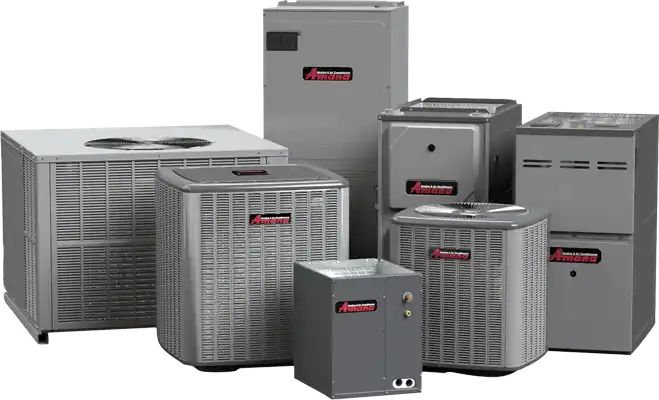
Let’s compare the top contenders homeowners in Woodburn ask about most. We’ll weigh efficiency, comfort, cost, maintenance, and best-fit scenarios.
| System Type | Upfront Cost | Operating Cost | Efficiency (Typical) | Best For | |------------------------|--------------|----------------|----------------------|------------------------------------------------| | High-Efficiency Gas Furnace | $$–$$$ | $$ | 95%–98% AFUE | Homes with gas service; strong, steady heating | | Air-Source Heat Pump | $$–$$$ | $ | 16–20+ SEER2 / 8–10 HSPF2 | Year-round Heating & Cooling; lower utility bills | | Ductless Mini-Split | $–$$$ per zone | $ | 20–30+ SEER2 / 9–12 HSPF2 | Older homes without ducts, additions, zoned comfort | | Dual-Fuel (Hybrid) | $$$ | $ | Heat pump + 95% furnace | Cold snaps, flexibility, energy-rate arbitrage | | Electric Furnace | $ | $$$ | 100% resistance heat | Rarely recommended unless paired with solar |
Key takeaway: In Woodburn’s climate, heat pumps and ductless systems often provide the best blend of comfort and efficiency. Gas furnaces still shine for high BTU demand and homeowners preferring strong, quick heat.
Gas Furnaces: Fast, Familiar, and Powerful
If your home already has natural gas, a high-efficiency condensing furnace (95–98% AFUE) is a solid, reliable choice.
- Pros: Powerful heat output for chilly mornings Lower upfront cost than many advanced systems Long lifespan with proper maintenance Cons: Only provides heating (pair with AC for summer) Gas pricing volatility and carbon footprint Requires flue venting and combustion safety checks
Best fit: Larger homes with existing ductwork and gas service, or households that prefer the “toasty” feel of high-supply-air temps.
Air-Source Heat Pumps: One System for Heating & Cooling
Modern inverter-driven heat pumps excel in Woodburn’s moderate winters and warm summers.
- Efficiency: HSPF2 8–10 for heating; SEER2 16–20+ for cooling Comfort perks: Consistent, even temperatures Quiet operation and dehumidification in summer Savings: Lower utility bills versus electric resistance or older equipment
Considerations:
- Works best with tight ducts and good air sealing In very cold snaps, capacity dips—plan for proper sizing or a backup heat strip
Best fit: Homeowners seeking year-round performance and lower operating costs from a single system.
Ductless Mini-Splits: Zoned Comfort Without the Ducts
Ductless systems are a Woodburn favorite for retrofits, ADUs, and rooms that never feel right.
- Advantages: No duct losses; superb efficiency Targeted zoning—heat/cool only the spaces you use Minimal installation disruption Trade-offs: Indoor heads are visible (sleek, but a style choice) Multiple zones increase cost
Ideal scenarios:
- Older homes without existing ductwork Bonus rooms, garages, sunrooms, and additions Households with varied temperature preferences
Dual-Fuel (Hybrid) Systems: Best of Both Worlds
A dual-fuel setup pairs a heat pump with a high-efficiency gas furnace. The system automatically chooses the most economical heat source depending on outdoor temperature and utility rates.
- Benefits: Energy flexibility and resilience Strong heat during cold snaps, efficient heat the rest of the season Lower utility costs over the long haul Considerations: Higher upfront cost Requires thoughtful setup of the “balance point”
Best fit: Homeowners who want peak comfort and efficiency year-round and plan to stay in their home long enough to enjoy the ROI.
Sizing, Ductwork, and Indoor Air Quality: Don’t Skip the Essentials
Even the best equipment underperforms if the fundamentals aren’t right.
- Proper sizing: Insist on a Manual J load calculation. Oversizing leads to short cycling, noise, and uneven temperatures. Duct integrity: Leaky or undersized ducts can waste 20–30% of conditioned air. Seal and balance ducts for quieter, more even airflow. IAQ upgrades: MERV 11–13 filtration, UV lights, and ERVs can reduce allergens, improve freshness, and support healthier living.
Quote to remember: “Efficiency is a system outcome, not a single piece of equipment.”
What Will It Cost in Woodburn? A Transparent Look
Average installed ranges (typical, not a quote):
- High-efficiency gas furnace: $5,500–$9,500 Heat pump (ducted): $8,500–$14,000 Ductless mini-split: $3,500–$6,500 per zone (multi-zone discounts apply) Dual-fuel system: $11,000–$18,000
Ways to save:
Rebates from Energy Trust of Oregon and local utilities Federal tax credits (Inflation Reduction Act) for qualifying heat pumps and efficiency upgrades Off-season installation scheduling with your HVAC Company Woodburn, ORMaintenance That Protects Performance and Warranty
Your system’s longevity is earned through routine care:
- Replace or wash filters every 1–3 months Schedule bi-annual tune-ups (spring for cooling, fall for heating) Keep outdoor units clear of leaves and shrubs (at least 18–24 inches of clearance) Ask your HVAC Contractor Woodburn, OR to check refrigerant levels, combustion safety, and electrical connections annually
A well-maintained system can reduce energy use by up to 15% and prevent surprise breakdowns.
Environmental Impact: Lower Emissions, Higher Comfort
- Heat pumps increasingly run on a cleaner grid, shrinking your carbon footprint over time Gas furnaces are efficient but burn fossil fuel on-site; consider dual-fuel to balance comfort and carbon Ductless systems minimize energy losses and allow heat-by-need zoning for real-world savings
If sustainability is a priority, ask about low-GWP refrigerants, smart thermostats, and envelope improvements alongside your new system.
How to Choose: A Simple Decision Framework
Use this quick checklist:
- Have natural gas and prefer strong heat? Consider a 95–98% gas furnace, possibly with AC or dual-fuel. Want one system for year-round Heating & Cooling with low bills? Go with a high-efficiency heat pump. No ducts or want targeted zoning? Choose ductless mini-splits. Want efficiency plus cold-weather oomph? Pick dual-fuel. Planning solar or all-electric? Heat pump or ductless with smart controls.
Then, partner with a trusted Heating and Air Conditioning in Woodburn, OR specialist to finalize sizing, ductwork, and incentives.
FAQs
Q1: Are heat pumps efficient enough for Woodburn winters?
A1: Yes. Modern cold-climate models maintain strong output well below freezing, and Woodburn’s winters are moderate. Proper sizing and setup are key.
Q2: What’s the most cost-effective system to run?
A2: Typically an air-source heat pump or ductless mini-split, thanks to high efficiency. Dual-fuel can also be very economical when gas prices are favorable.
Q3: How long do these systems last?
A3: Furnaces: 15–20 years. Heat pumps and ductless: 12–18 years. Regular maintenance can extend life and preserve efficiency.
Q4: Can I keep my existing ducts?
A4: Often yes, but have them inspected. Sealing, insulating, and balancing ducts can dramatically improve comfort and efficiency.
Q5: What incentives are available locally?
A5: Energy Trust of Oregon and utility rebates, plus federal tax credits for qualifying heat pumps and weatherization. Your HVAC Contractor in Woodburn, OR can help you apply.
Conclusion: Your Next Step to Comfort and Savings
The right heating system isn’t one-size-fits-all. In Woodburn, heat pumps and ductless systems offer standout efficiency and year-round comfort, while gas furnaces and dual-fuel shine for power and flexibility. By pairing a proper load calculation, tight ductwork, and a trusted HVAC Company Woodburn, OR, you’ll get a system that pays you back in comfort and savings.
When you’re ready, share your goals, budget, and home details with a local pro and reference this guide—Best Fence Contractor’s Heating System Comparison in Woodburn, OR—to make an informed, confident choice. And remember, another look at Best Fence Contractor’s Heating System Comparison in Woodburn, OR before you sign the contract can help you lock in the ideal mix furnace repair, of efficiency, comfort, and long-term value.
Name: Whirlwind Heating & Cooling
Address: 4496 S Elliott Prairie Rd, Woodburn, OR 97071
Phone: (503) 983-6991
Plus Code: 46GG+79 Woodburn, Oregon
Email: [email protected]